Rep. Anna Paulina Luna (R-FL) says her staff used AI for "spellcheck" in an amendment summary for a major defense bill, but denies it was used for the bill text itself and says "NO Legislation is ever drafted with AI."
Luna issued the response after accounts on X began sharing screenshots of an amendment summary for the 2027 National Defense Authorization Act. It reads: "Identical to H.R. 100 (118th Congress).11:25 AM????Claude responded: Requires the Secretary of Defense to designate Department of Defense activities, support, and operations at the southwest land border as a named operation with…"
Madison Square Garden faces a 26M-record hack tied to visitor data, facial recognition, and security records from its venue operations, with fallout from the leak.
Cloud security is shifting from visibility to context-aware risk reduction, helping security teams understand which exposures matter most, prioritize what can be exploited, and reduce risk across the application lifecycle. As organizations continue to expand across multicloud environments, Kubernetes, APIs, and AI-powered workloads, security teams are overwhelmed with signals. The challenge is no longer identifying individual risks, but determining which combinations of vulnerabilities, identities, and data exposures are most critical to address at the source.
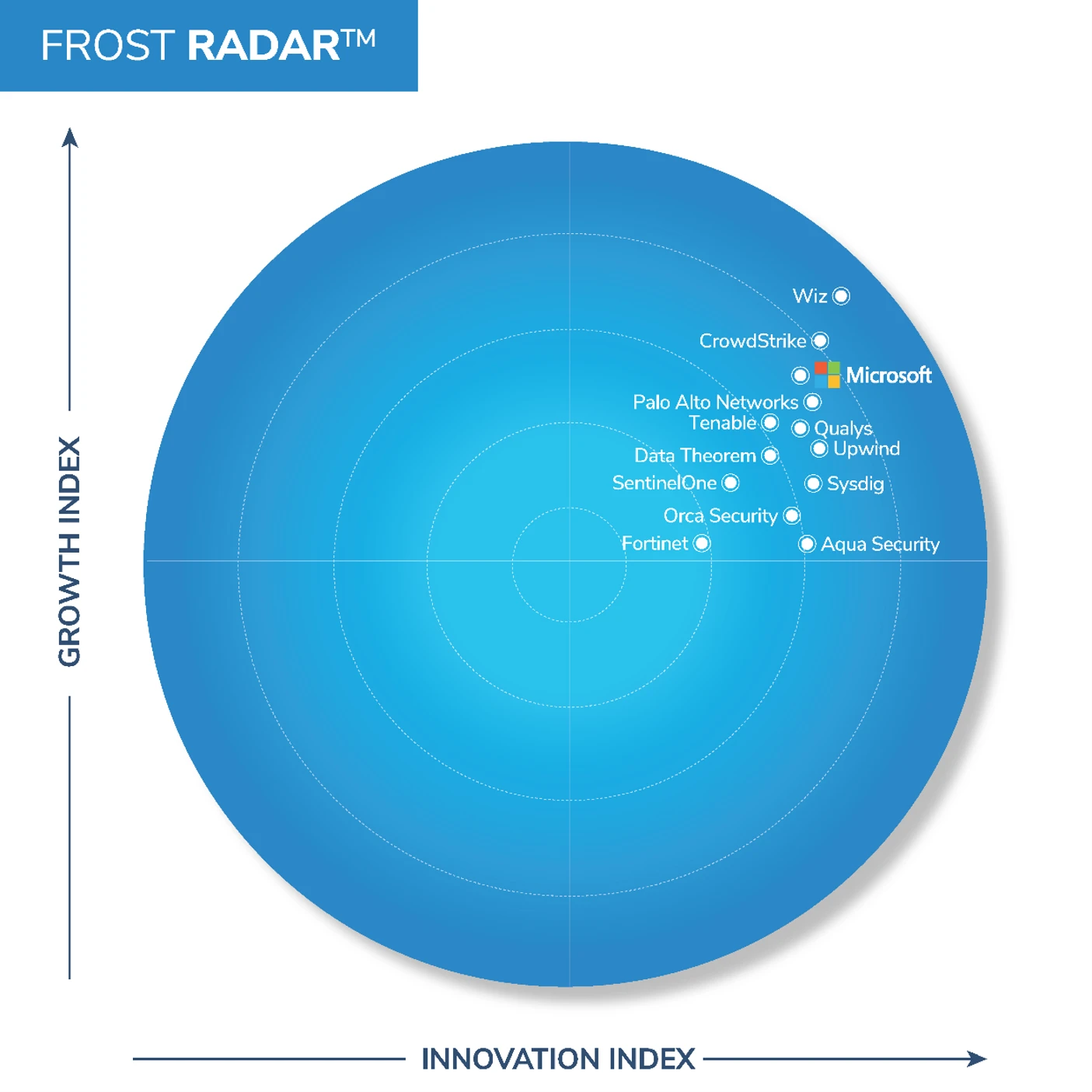
Frost & Sullivan’s 2026 Frost Radar™ for Cloud-Native Application Protection Platforms (CNAPP) reflects this shift. The report highlights how CNAPP is evolving from a collection of posture and workload capabilities into a unified cloud risk operations platform—one that correlates signals across code, cloud, runtime, and SOC workflows to prioritize and reduce risk continuously. Within this evolving market, Microsoft is positioned among leading CNAPP vendors—reflecting alignment with where the category is heading.
The Frost Radar makes a clear point: CNAPP is no longer about visibility or compliance—it is becoming an operational platform for reducing risk.
Modern environments introduce complexity across:
Multicloud and hybrid infrastructure.
Rapid development and continuous deployment.
Containers, serverless, and APIs.
AI-powered workloads.
This complexity exposes the limits of traditional tools.
Organizations now require platforms that can:
Correlate posture, runtime, identity, and data signals.
Prioritize risk based on exploitability—not severity alone.
Integrate security across development and operations.
Support faster investigation and response.
This is the shift: from detecting issues to operationalizing risk reduction across the application lifecycle.
What distinguishes leading CNAPP platforms
Frost evaluates CNAPP providers based on growth and innovation—but more importantly, on how effectively they help organizations manage risk.
According to the report, five themes define the next generation of platforms:
Platform unification over point solutions.
Code-to-cloud-to-SOC integration.
Risk prioritization based on exploitability.
Correlation across identity, data, and application context.
Expansion into AI-powered workloads.
These capabilities represent a shift from fragmented visibility to connected, contextual risk management.
How Microsoft aligns with CNAPP’s next phase
1. Correlating risk across identity, endpoints, data, and cloud
Most security tools surface findings. Fewer connect them meaningfully. Modern attacks exploit the combination of misconfigurations, excessive permissions, and data exposure—not isolated issues. Microsoft Defender for Cloud correlates posture findings with identity, data, and runtime signals—helping surface risks that are exploitable. A misconfigured storage resource on its own may not appear critical. But when combined with excessive access permissions and the presence of sensitive data, it can create a clear attack path.
What this means: Security teams can prioritize real attack paths instead of individual findings, reducing alert fatigue and improving remediation speed and precision.
2. Extending security from code to cloud to SOC
Security must operate continuously across development, runtime, and operations.
Defender for Cloud connects:
Code and infrastructure-as-code scanning.
Cloud posture and runtime protection.
Security operations and response workflows.
A vulnerability identified in infrastructure-as-code before deployment can be tracked through to runtime—where it is validated against real-world behavior and surfaced in security operations if actively exploitable.
What this means: Organizations move from fragmented workflows to continuous risk validation and response across the lifecycle.
3. Reducing complexity across fragmented security workflows
As environments scale, tool sprawl limits visibility and slows response. Microsoft delivers CNAPP capabilities as part of a connected platform—integrating posture management, workload protection, identity, data, and threat detection across multicloud environments. Instead of switching between separate tools, security teams can investigate a single incident across initial misconfiguration, runtime impact, and identity exposure, enabling a more connected experience.
What this means: Security teams can investigate faster, prioritize risk more consistently, and reduce exposure across fragmented cloud environments.
Where security leaders focus next
The Frost Radar offers a signal for where cloud security is headed: toward platforms that connect context across cloud environments so teams can prioritize the risks most likely to be exploited and reduce exposure faster.
Security leaders should now ask:
Can the platform correlate signals across identity, end points, data, cloud, and runtime?
Does it span the full code-to-cloud lifecycle?
Can it prioritize risk based on exploitability—not just severity?
Does it integrate with SOC workflows for faster response?
Can it scale across multicloud and AI environments?
These are the capabilities that define the next generation of CNAPP.
Bottom line
Frost & Sullivan’s 2026 CNAPP analysis reinforces a clear shift: Cloud security is moving from fragmented visibility to unified, contextual risk management across the entire lifecycle. Microsoft’s position in the Frost Radar reflects this shift—bringing together posture, runtime, identity, end points, and data signals into a connected platform that helps organizations prioritize and reduce risk continuously.
Explore Microsoft cloud security solutions to see how unified posture management, risk prioritization, and protection across the application lifecycle can help reduce cloud risk.
To learn more about Microsoft Security solutions, visit our website. Bookmark the Microsoft Security blog to keep up with our expert coverage on security matters. Also, follow us on LinkedIn (Microsoft Security) and X (@MSFTSecurity) for the latest news and updates on cybersecurity.
 Log in



 A look at the built-in computer use tool in Gemini 3.5 Flash.